
Effective Proxies for Web Data Harvesting
You have likely experienced the sudden, frustration-inducing halt that comes with gathering market data manually. One moment you are successfully copying product prices or lead information into a spreadsheet, and the next, your screen goes blank, replaced by a harsh “403 Forbidden” error or a request to identify traffic lights in a CAPTCHA image. It feels like the website has slammed a digital door in your face, but this isn’t random bad luck. It is a deliberate security measure designed to spot non-human visitors. The best guide to finding residential proxies.
Websites aren’t actually psychic; they just know exactly where you live digitally. Every time you visit a site like Amazon or Zillow, your internet connection broadcasts a unique set of numbers known as an IP Address. Think of this like the return address on an envelope. It tells the website exactly who is asking for the data and where to send the webpage back to.
For a normal user browsing for a new pair of shoes, this system works perfectly. However, the moment you try to gather data at scale—perhaps checking 500 prices in an hour—that return address becomes a liability. Most websites have security rules known as Rate Limiting. If the site sees hundreds of requests coming from the same “home address” in a short period, it assumes you are a robot and blocks you to protect its server.
A proxy becomes essential here. A proxy for scraping acts as a middleman between your computer and the website you want to visit. Instead of sending a request directly with your own return address, you send it to the proxy first. The proxy then asks the website for the data, receives it, and passes it back to you.
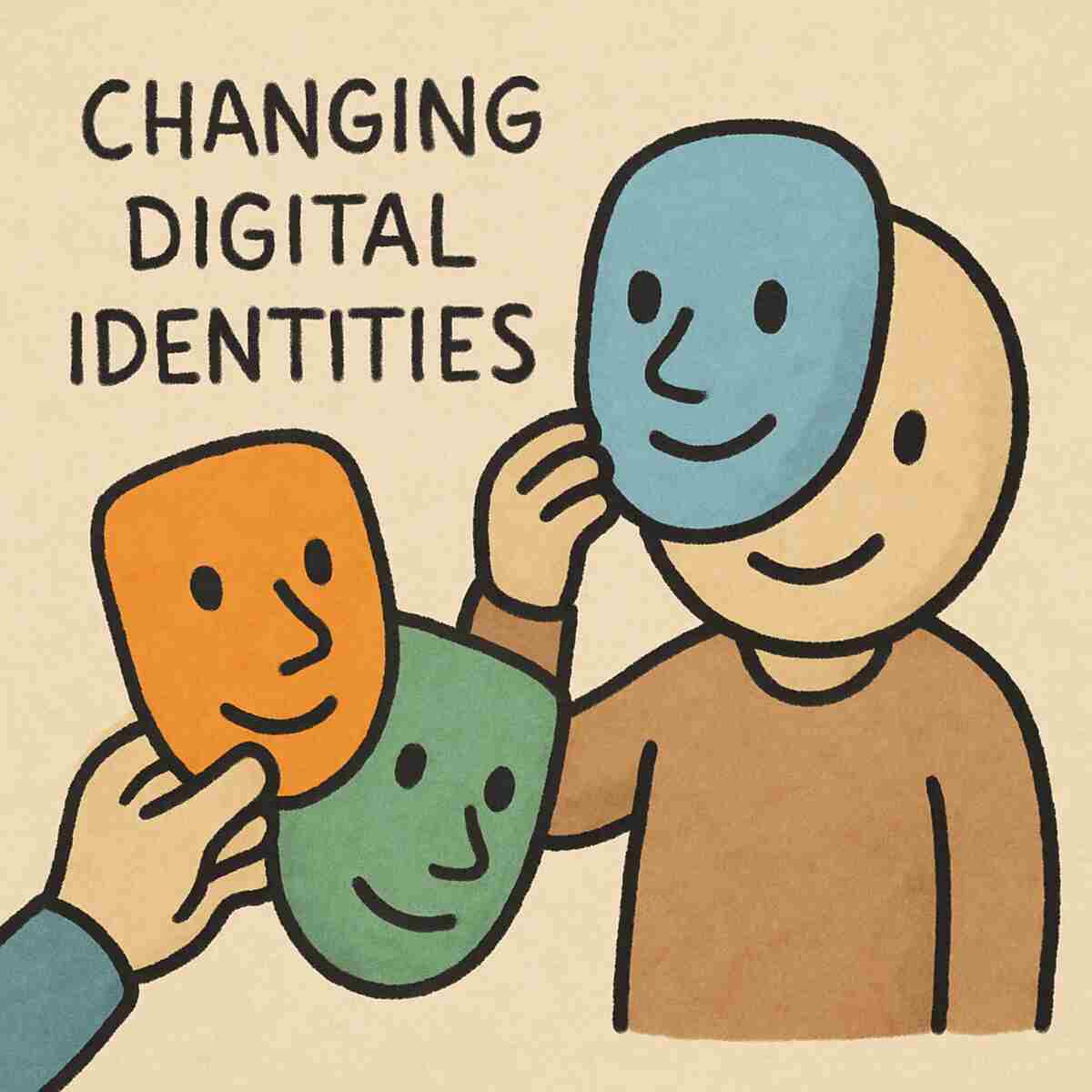
Think of it like attending a masquerade ball where the host has banned you. If you walk in wearing your own face, security recognizes you immediately. However, if you use a proxy, you are effectively putting on a mask. By rotating through different proxies (changing masks), you can enter the “ball” thousands of times, and the host will think a thousand different people have arrived rather than just one person.
If you are currently struggling to collect data, your specific “mask” is likely giving you away. Industry standards suggest that most data collection projects fail due to three common behavior patterns:
- Speed: You are requesting pages faster than a human could physically read them.
- Repetition: You are checking the same page at precise intervals, which looks robotic.
- Identity: You are using a single IP address to do the work of a hundred people.
Finding the best proxy for scraping requires understanding which type of “digital disguise” works for your specific target. While basic web scraping tools can automate the clicking, they cannot hide your identity on their own. To bypass these roadblocks effectively, we need to look at the different types of proxies available and determine which one offers the right balance of anonymity and cost for your business.
Your Digital Home Address: Why Your Personal IP is Your Biggest Risk
Every time your computer connects to a website, it leaves behind a digital fingerprint called an IP address. Think of this as the return address on an envelope; it tells the website exactly where the request came from and often identifies your physical location. While this transparency works perfectly for casual browsing, it becomes a massive liability when you need to collect large amounts of data for your business. If you send thousands of requests to a site like Amazon or Zillow from a single “return address,” you create a dense, highly visible footprint that is impossible for security systems to ignore.
Websites use sophisticated monitoring tools to distinguish between a curious human shopper and an automated script. A real person might look at five product pages in a minute, pausing to read reviews or view photos. In contrast, a data tool might try to open five hundred pages in that same minute without ever moving a mouse or scrolling. This superhuman speed acts as an immediate alarm bell. The moment a site detects this unnatural behavior coming from one location, it cuts off access to protect its server resources. Understanding this trigger is the first step in avoiding IP bans during web extraction.
Slowing down your software isn’t usually a viable solution, as gathering meaningful market insights often requires analyzing millions of data points quickly. To scale your operations, you need to detach your activity from your personal connection completely. The search for the best proxy for web scraping begins here—finding a way to multiply your identity so you appear as thousands of different visitors rather than one aggressive bot. However, not all digital disguises are created equal; some look like legitimate neighbors, while others look like obvious machines from a factory.
The Warehouse vs. The Neighbor: Datacenter Proxies Explained
Imagine a massive server farm filled with rows of blinking lights and humming cooling fans. This is the birthplace of Datacenter Proxies. Unlike a connection from a home internet service provider, these IP addresses are generated in bulk by cloud hosting companies. They don’t belong to a specific person or house; they belong to a server. This distinction allows them to process data at lightning speeds, offering raw performance and stability that a standard home Wi-Fi connection simply cannot match.
Speed, however, comes with a significant visibility cost. Sophisticated websites can easily identify which “digital neighborhoods,” or IP Ranges, belong to these server farms. Since legitimate shoppers rarely browse online stores from a cloud server, traffic originating from these ranges looks suspicious by default. Security systems often block entire groups of these addresses simultaneously. If you try to access a highly secure site, using a datacenter proxy is akin to walking into a store wearing a clearly fake employee uniform—you might get in initially, but you will likely be spotted and escorted out quickly.
Despite the risk of detection, these server-based IPs are often the right tool for the job. When weighing residential vs datacenter proxies for scraping, consider that datacenter options are perfect for lower-security sites where volume matters more than stealth. They remain the industry standard for specific needs:
- High Speed: Processing requests significantly faster than residential connections.
- Budget-Friendly: Providing cost-effective proxy solutions for developers and businesses scaling up.
- Stability: Offering consistent uptime since they rely on professional infrastructure.
- Risk: High chance of rejection on complex sites like Facebook or Google.
For those times when the “fake uniform” isn’t convincing enough, you need a disguise that is indistinguishable from a real customer.
The Gold Standard: Why Residential Proxies Win the Scraping Game
When the “fake uniform” of a datacenter proxy gets you blocked, you need a digital identity that looks completely authentic. Residential proxies provide exactly this level of camouflage by routing your traffic through devices located in actual homes. Unlike server farms, these IP addresses are assigned by legitimate Internet Service Providers (ISPs) like Comcast or Verizon to real people. Because the connection originates from a physical household rather than a cloud database, security systems identify you as a genuine human user rather than a programmed bot.
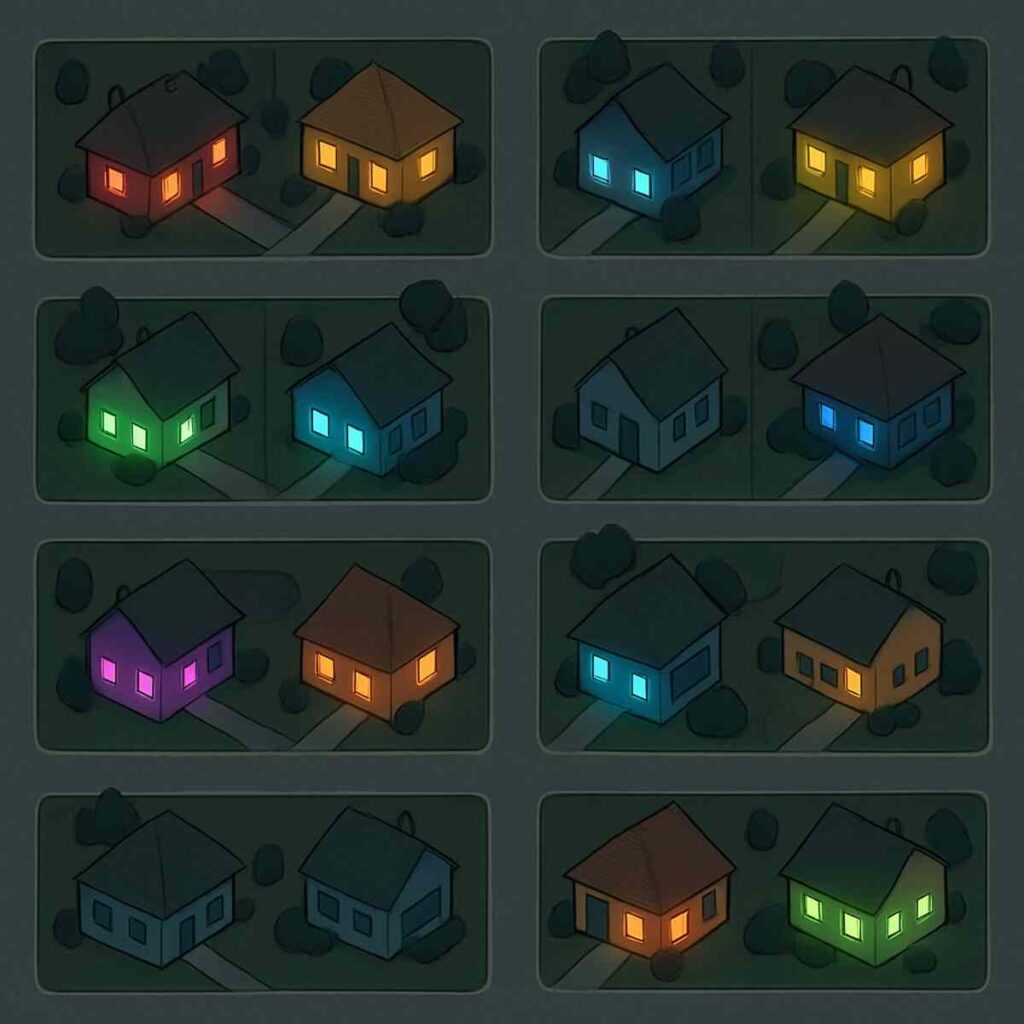
Major websites hesitate to ban these IP addresses because doing so risks blocking actual customers. If Amazon or Google detects unusual activity from a datacenter, they can ban the entire server block without losing a single sale; however, banning a residential IP meant for a family home might prevent a real shopper from making a purchase. This inherent “trust factor” makes residential IPs the best proxy for web scraping when targeting sophisticated e-commerce platforms or social media sites that employ aggressive anti-bot technology.
Acquiring this level of authenticity creates a complex supply chain, which naturally drives up the price compared to server-based alternatives. You aren’t just paying for bandwidth; you are paying for the reputation of the IP address. While top rated residential proxy services cost significantly more, the return on investment comes from a drastically higher success rate. You spend less time troubleshooting error messages and more time analyzing the data you actually managed to collect.
For high-stakes data collection where getting blocked means losing revenue, the investment is usually mandatory. Even the most trustworthy residential IP has limits, however, because behaving like a human means you can’t request thousands of pages in a single second without raising eyebrows. To solve the problem of speed and volume while maintaining your disguise, you need to understand the mechanics of rotation.
The Master of Disguise: How Rotating Proxies Keep You Moving
Even the best disguise fails if you wear it for too long. If you try to download 10,000 product prices using just one residential IP address, the website’s security system will eventually notice the superhuman speed and block you. The solution to scaling web scraping with proxy rotation is simple: instead of acting like one hyperactive person, you act like a massive crowd. By switching your digital identity for every single web page you visit, you ensure that no single IP address hits the site often enough to trigger an alarm.
Managing thousands of different IP addresses manually would be a logistical nightmare. Rotating backconnect proxy services do the heavy lifting here. Think of a backconnect proxy as a “smart gateway” or a single door that leads to many different tunnels. You don’t need to manage a spreadsheet of IPs; you simply connect to one main entry point, and the service handles the complexity behind the scenes:
- Entry: Your scraper sends a request (like “Get Price for Item A”) to the backconnect gateway.
- Rotation: The gateway automatically selects a fresh, healthy IP address from its massive pool of devices.
- Delivery: The website sees a completely new visitor, trusts the connection, and delivers the data without suspicion.
Utilizing this system turns a suspicious spike in traffic into what looks like organic global interest. Because the target website sees distinct users from different locations rather than one persistent bot, your success rate for collecting data skyrockets. You get the volume you need without the constant “Access Denied” errors. However, some platforms—specifically apps like Instagram or TikTok—require an even more specific type of camouflage found only on cellular networks.
Social Media Secret Weapons: The Role of Mobile Proxies
Social media platforms like Instagram and TikTok operate differently than standard websites because they are designed primarily for smartphones. If you attempt to access these networks using a datacenter or even a standard residential connection, you often stand out like someone wearing a tuxedo to a beach party. To blend in perfectly, you need specific mobile proxies for scraping social media. These proxies route your traffic through real 3G, 4G, or 5G cellular connections, making your automated tool appear indistinguishable from a casual user scrolling through their feed on a morning commute. This specific type of digital camouflage is essential for accessing data that is usually gated behind mobile-only login screens or strict bot detection systems.
The true power of mobile proxies lies in how cellular networks assign digital addresses. Unlike home internet where one house gets one unique address, mobile carriers often group hundreds of real users behind a single IP address due to a shortage of available numbers. This creates a powerful safety net for your high anonymity proxy for data harvesting. Platforms are essentially terrified of blocking mobile IP addresses because banning just one could accidentally lock out thousands of legitimate human users sharing that same connection. Consequently, these proxies enjoy the highest trust scores on the internet, allowing you to bypass aggressive security filters that would instantly catch other types of disguises.
Accessing this level of invisibility comes with a significantly higher price tag compared to residential or datacenter options. Mobile proxies are premium tools reserved for the most difficult targets, so using them for simple tasks like checking product prices on a basic retail site is essentially burning money. You must balance the high operational cost of mobile access against the specific value of the social data you are retrieving. Once you have selected the right mix of proxy types for your specific project and budget, the challenge shifts to maintaining that access over time.
Managing Your Resources: Residential Proxy Pool Management
Even the highest-quality proxies will eventually fail if you rely on a small handful of them to do a massive amount of work. Think of your proxy list like a team of delivery drivers; if you have 10,000 packages to deliver but only five drivers, those drivers will quickly become overworked, slow down, and eventually quit. In web scraping, this leads to “IP exhaustion,” where a website recognizes that too many requests are coming from the same few addresses and blocks them all. To prevent this, you need a sufficiently large “pool” of addresses. A larger pool allows you to spread your requests thinly across thousands of different identities, ensuring no single IP address looks suspicious or overactive.
Effective residential proxy pool management acts as the traffic controller for your operation, rotating out old addresses before they get blocked. Since residential proxies rely on real people’s home devices, they can become “stale” or go offline simply because a homeowner turned off their router or went to bed. Relying on a static list without refreshing it will lead to connection errors and lost data. You must constantly monitor the health of your pool to ensure you aren’t trying to route traffic through dead connections.
To maintain a healthy system capable of improving web scraping success rates, keep a close eye on these vital signs:
- Success Rate: The percentage of your requests that actually return data versus those that get blocked or fail.
- Response Time: How long it takes for a proxy to return information; sudden slowness often signals a connection is degrading.
- IP Uniqueness: Ensuring you aren’t accidentally reusing the same address too frequently within a short window.
By treating your proxy pool as a living ecosystem rather than a static list, you ensure a steady flow of data. However, even a perfectly managed pool can hit a wall if the target website uses advanced defenses.
Cracking the Code: How to Bypass Anti-Bot Systems
Changing your IP address is a crucial first step, but modern websites have evolved to look for more than just your digital location. Imagine walking into a secure facility wearing a different disguise every time, but always carrying the same ID badge; security will catch you immediately. This digital ID badge is called a “browser fingerprint.” It consists of hundreds of tiny details your computer broadcasts, such as your screen resolution, installed fonts, and even your battery level. Advanced anti-bot systems combine these details to create a unique profile of your device, meaning they can recognize “you” even if you switch to a brand-new residential proxy.
To successfully gather data without triggering alarms, you must ensure your digital fingerprint matches your new identity. Bypassing anti-bot systems requires coordinating your proxy with your browser settings so everything looks consistent. For example, if you are using a proxy located in Tokyo, but your computer’s system time says “New York,” the website will flag this mismatch as suspicious behavior. Specialized scraping browsers and tools manage this automatically by randomizing your fingerprint data for every request. They ensure that your “disguise” is complete from head to toe, making your bot appear indistinguishable from a regular human shopper browsing on a standard laptop.
Aligning your fingerprint with high-quality proxies also solves the frustration of constant interruptions. When a site is unsure if you are human, it throws up a CAPTCHA challenge—identifying traffic lights or crosswalks—which halts your data collection instantly. A consistent, human-like profile minimizes these tests and opens doors to bypassing geo-restrictions for global data, allowing you to see exactly what a local user sees in Germany, Brazil, or Canada without being redirected. Once you understand the theory of blending in, the next logical step involves setting up the actual machinery to handle these identity swaps automatically.
Automation in Action: How to Rotate Proxies in Python
Manual IP management is the quickest way to turn a simple data project into a logistical nightmare. In the past, learning how to rotate proxies in python meant writing complex code to load a list of 1,000 IP addresses, check which ones were working, and cycle through them one by one. Today, modern proxy providers simplify this with a “Gateway URL” or “Backconnect Proxy.” Instead of juggling a massive list of addresses, your script connects to a single URL provided by the service. Think of this gateway as a hotel concierge: you ask the concierge (the gateway) for a taxi, and they call a different cab (the IP address) for you every single time.
Implementation becomes surprisingly straightforward when using this method. Because the complexity happens on the provider’s end, your code remains clean. You don’t need to tell your script to “switch identities”; you simply tell it to keep asking the gateway for data. The logic looks less like hacking a mainframe and more like following a recipe:
- Set Proxy: Point your tool to the single Gateway URL (e.g., gate.proxyprovider.com:8000).
- Send Request: Ask for the target website (e.g., “Get product price”).
- Automatic Rotation: The gateway routes your request through a fresh, random residential IP.
- Repeat: The next request automatically uses a completely different IP.
Reliability is the ultimate advantage of this “set it and forget it” approach. If a specific request fails or gets blocked, sophisticated web scraping tools detect the error and instantly retry the request through the gateway, which automatically assigns a new IP. This seamless rotation ensures your data collection continues uninterrupted, regardless of individual blocks. With the mechanics of rotation handled, you can now focus on where your requests appear to be coming from, opening the door to bypassing geo-restrictions for global data.
Global Reach: Bypassing Geo-Restrictions for Market Research
Websites are increasingly smart about tailoring content based on where they think you are located. A user in New York often sees a completely different price for the same flight or product than a user in London, a strategy known as price discrimination. To get an honest view of the global market, you need the ability to virtually teleport your digital presence. Bypassing geo-restrictions for global data allows you to strip away these location-based filters, ensuring that the market intelligence you gather is accurate for the region you are analyzing, rather than just a reflection of your current office location.
Gaining this access requires more than just rotating an IP address; you must select a specific “exit node” in your target country. Without this specification, sophisticated sites will automatically redirect you to their domestic homepage—imagine trying to view a Japanese competitor’s site but getting forced back to the US version every time you load the page. By routing your connection through a residential proxy physically located in Tokyo or Berlin, you trick the website into treating you like a local, revealing localized promotions, search rankings, and inventory that remain invisible to outsiders.
Precision can even go deeper than country borders, allowing you to target specific cities for hyper-local research. This is critical for monitoring delivery apps or local service listings where data changes from neighbourhood to neighbourhood. Using high-quality proxies for scraping dynamic websites ensures that even complex, map-based interfaces load the correct local data points without triggering security alerts. However, this level of granular access relies on real residential connections, which brings us to the most significant factor for any project: understanding the trade-off between performance and your budget.
The Real Cost: Balancing Budget and Performance
Sticker price is rarely the true cost of web scraping. When you see a service offering thousands of IPs for a few dollars, it is tempting to jump at the bargain. However, if half of those connections fail or get blocked immediately, you are paying for frustration rather than data. Finding cost-effective proxy solutions for developers and business owners means looking past the monthly subscription fee and calculating the “cost per successful request.” A slightly more expensive service that works 99% of the time is ultimately cheaper than a budget option that requires you to retry every request three times.
Free or “public” proxies represent the most dangerous end of this spectrum. While they cost nothing upfront, they are often incredibly slow, unreliable, and potentially malicious—some are even set up by hackers to steal your data. Instead of risking your security, you should evaluate the trade-off between residential vs static ip addresses. Static datacenter IPs are generally cheaper and faster, but they are easily identified and blocked by major retailers. Residential proxies cost more because they use real home connections, but their ability to blend in often yields a much higher return on investment (ROI) by securing data that cheaper options simply cannot reach.
To determine if a proxy service fits your budget, look beyond the price tag and evaluate the total cost of operation using this simple checklist:
- Success Rate: Does the provider charge you for failed attempts, or only for successful data retrieval?
- Time Costs: Will your team spend hours debugging blocked connections instead of analyzing the data?
- Scalability: Can the pricing plan grow with you, or does it become prohibitively expensive as you scale up?
- Data Quality: Is the money saved on proxies worth the risk of receiving incomplete or inaccurate market data?
This financial clarity sets the stage for the final step: assembling the specific tools that align with your new strategy.
Your Action Plan: Choosing the Right Setup Today
Understanding how websites identify and block visitors changes the way you approach data collection. You started this journey seeing “403 Forbidden” errors and CAPTCHAs as dead ends. Now, you recognize them as simple signals that your digital disguise wasn’t convincing enough. You no longer have to guess why a scrape failed; you possess the knowledge to fix the identity you present to the web and turn those errors into successful requests.
Choosing the best proxy for scraping ultimately comes down to balancing your budget against the security level of the website you need to access. If you are gathering data from simple, unprotected sites—like public directories or basic blogs—datacenter proxies act as your high-speed solution. They are like sending a fleet of distinct delivery trucks: fast, affordable, and efficient, provided no one is strictly checking the license plates.
However, when your target is a major retailer or a complex social platform, the debate between residential vs datacenter proxies for scraping has a clear winner. For these “high-security” environments, the residential proxy is non-negotiable. By routing your request through a real home internet connection, you blend in with the crowd of normal human traffic. It costs more, but it buys you the credibility needed to walk through the front door without raising alarms.
Ready to launch your project? Follow this simple roadmap to start gathering data without the headaches:
- Audit Your Target: Visit the website manually first. If you immediately see a “Verify you are human” check or strict login walls, skip the cheap options and start with residential proxies. If the site is open and simple, try datacenter IPs first to save money.
- Start with a Trial: Never commit to a massive annual contract immediately. Purchase a small amount of bandwidth or a handful of IPs to ensure they work specifically for the website you are targeting.
- Monitor Your Success Rate: Keep an eye on how much data you actually get versus how many errors appear. If you successfully download a page less than 80% of the time, it is a sign you need to rotate your proxies more often or upgrade their quality.
Data gathering is not a “set it and forget it” task, but with the right setup, it becomes a reliable engine for your business. Think of your proxy provider as a partner in your growth. As your scraping needs expand from hundreds of pages to tens of thousands, your strategy can evolve. You might start with a cost-effective datacenter plan today and graduate to a sophisticated residential network as your operations scale.
Ultimately, the goal isn’t just to bypass a firewall; it is to access the market insights that help you make better decisions. You now possess the blueprint to navigate the web’s defenses respectfully and effectively. The data is out there waiting for you—now you have the right keys to unlock it.
