Essential Rules for Playing Card Game 13
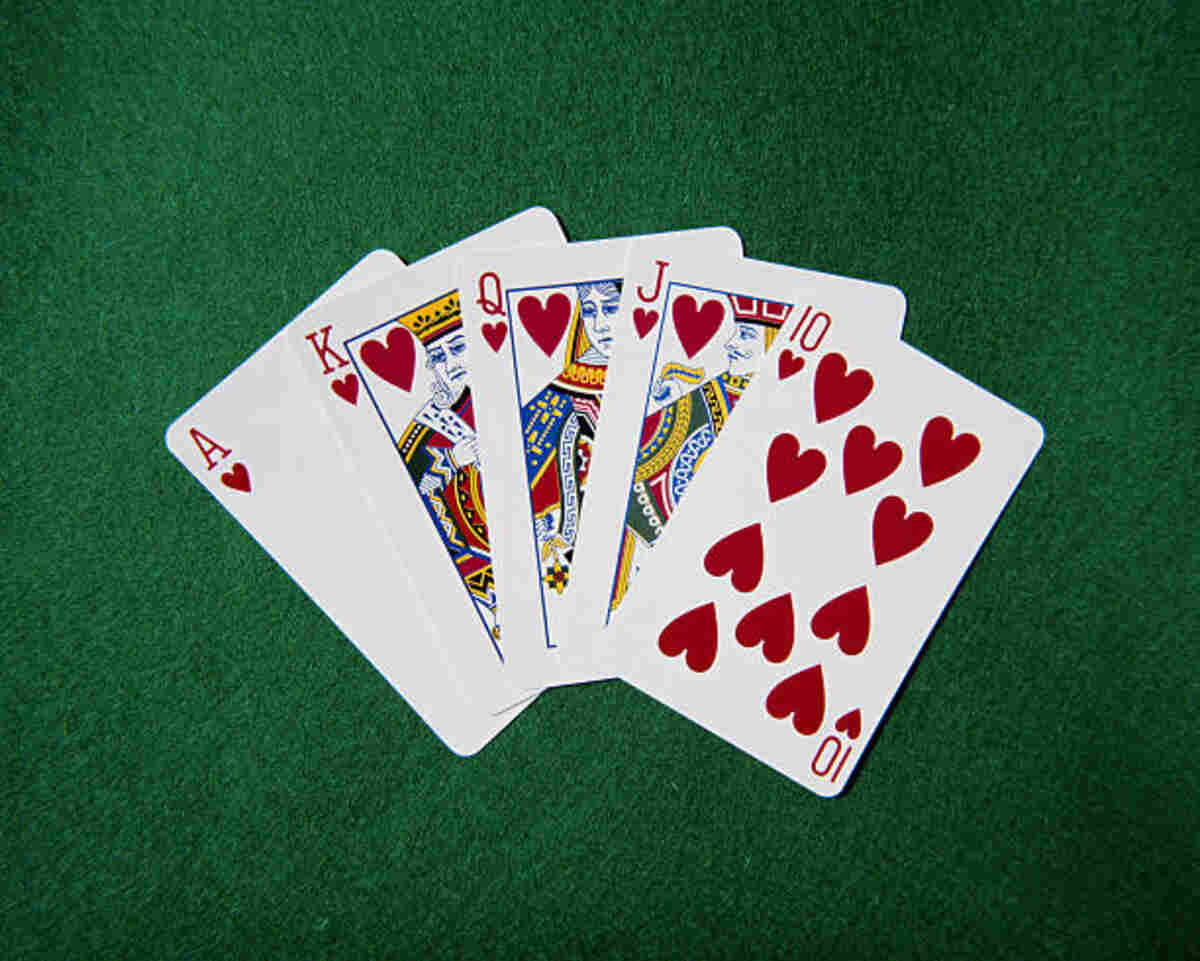
Tired of your go-to card games? If you’re looking for a fast-paced and exciting challenge that you can learn in just a few minutes, it’s time to deal a hand of the card game 13. Known in many parts of the world as Tien Len or Vietnamese Thirteen, this game is a fantastic way to introduce some fresh energy to your next gathering. Check out SEKAWAN78 to know more
The objective is simple: be the first player to get rid of all your cards. This is the core of a “shedding” game, where the winner is the one with an empty hand. But unlike most Western games where the Ace reigns supreme, 13 flips the hierarchy on its head. The humble 2 is the most powerful card in the deck, a single rule that completely changes the game’s strategy.
Despite this unique twist, the game is wonderfully easy to pick up. Learning how to play Tien Len for beginners is a matter of mastering a few building blocks, from simple single cards and pairs to powerful combinations that can take control of the game.
How to Set Up and Deal: Starting Your First Game of 13
Getting a game of 13 started is quick and easy. All you need is one standard 52-card deck (no jokers) and between two to four players. The game is at its best with a full table of four, as this uses every card in the deck, but it works perfectly well with two or three people as well.
Once you have your players, choose one person to be the dealer. Their job is to shuffle the deck thoroughly and deal the cards one at a time, clockwise, until every player has a hand of exactly 13 cards. Unlike some other games, you don’t set your hand down; you’ll want to pick up your cards and sort them to see what you’ve got.
If you’re playing with fewer than four people, you will have some cards left over after dealing. Simply place the remaining cards in a face-down pile off to the side. They are out of play for the current round.
What Beats What: The Most Important Rule in the Card Game 13
Before you play a single card, you need to throw out what you know from other games like Poker or Hearts. In 13, the card rankings are completely different. The Ace is not the highest card—the 2 is. The 3 is the lowest, making the full hierarchy easy to remember:
- Lowest to Highest: 3, 4, 5, 6, 7, 8, 9, 10, J, Q, K, A, 2
This simple rule is the foundation for every move you’ll make. A 5 beats a 4, a Queen beats a Jack, and most importantly, a 2 can beat an Ace.
But what happens when two cards have the same rank? That’s where suits come in. For breaking ties between single cards, suits also have a ranking. Spades are the strongest, followed by Hearts, then Diamonds, with Clubs being the weakest.
- Suit Rank: Spades (♠️) > Hearts (♥) > Diamonds (♦️) > Clubs (♣️)
For example, if another player plays the 10 of Diamonds (10♦️), you could beat it with the 10 of Hearts (10♥) or the 10 of Spades (10♠️), but not the 10 of Clubs (10♣️).
As the highest-ranking card, any 2 beats any other single card (like an Ace or a King), regardless of suit. This makes the 2s your ultimate trump cards, with the 2 of Spades (2♠️) being the most powerful single card in the entire game.
Who Goes First? Kicking Off the Game with the 3 of Spades
Unlike games where the dealer’s left goes first, the start of 13 is determined by a single, specific card. After the cards are dealt, everyone looks at their hand. The player holding the 3 of Spades (3♠️) begins the very first round of the game. Since the 3 is the lowest-ranking card and Spades is the highest-ranking suit, this card is both weak and strong in its own way, making it the perfect key to unlock the game.
There’s one important catch: the person starting the game doesn’t just get to play whatever they want. Their first play must include the 3♠️. They could play it as a single card, as part of a pair of 3s (e.g., 3♠️ 3♦️), or as the beginning of a straight (e.g., 3♠️ 4♣️ 5♥). This rule ensures the weakest card in the deck sees action right away.
This special 3♠️ rule only applies to the very first round of a new game. For all subsequent rounds, the person who won the previous round gets the honor of starting. They can lead with any single card or valid combination they choose.
The Core Gameplay: Playing Singles and Passing Your Turn
Once the first card is on the table, the game moves clockwise. The simplest action in 13 is to play a single card that is higher than the card just played. For example, if the person before you played an 8 of Diamonds, you could play any single card from a 9 up to a 2, or you could play an 8 of a higher suit (Hearts or Spades).
If you don’t have a higher card, or you have one but want to save it for later, you must pass. Announcing “pass” means you are sitting out for the rest of this specific round of play, which is called a “trick.” You cannot jump back in. Play simply skips you and continues to the next person who hasn’t passed yet.
The trick continues with players either playing a single, higher-ranking card or passing their turn. Eventually, one person will play a card that no one else can or wants to beat. For instance, if Player A plays a Queen, and Players B, C, and D all pass, Player A has successfully “won the trick.”
Winning the trick gives you a powerful advantage: you now control the game. You get to clear the table and start a brand new trick by playing any single card or valid combination you want from your hand. This is how you begin to dictate the pace and shed your weaker cards.
Playing Stronger Hands: How to Use Pairs and Triples
While playing single cards is a good start, you’ll shed your hand much faster by playing cards together. The most common of these Vietnamese Thirteen card combinations is a Pair: two cards of the same rank, like two 7s (7♦️ 7♣️). You can only beat a pair with a higher-ranking pair. So, if someone plays a pair of 7s, you could play a pair of 10s or a pair of Aces, but not a pair of 6s. The suits are irrelevant; only the rank matters.
Following that same logic, you can also play a Triple: three cards of the same rank, such as three Jacks (J♦️ J♣️ J♠️). You must always match the type of hand played. This means if the current play is a pair, you can only play a higher pair. If it’s a triple, you must play a higher triple. You cannot, for example, play your three Jacks on top of someone else’s pair of Kings.
Running the Table: How to Play Straights in Card Game 13
Beyond matching ranks, you can also play cards that form a sequence, called a Straight. A straight is a powerful way to get rid of several cards at once. A straight must contain at least three cards in sequential order, but can be much longer (e.g., 5-6-7-8). The suits are completely irrelevant; a 4♦️ 5♣️ 6♠️ is a perfectly valid straight.
You can only beat an existing straight with another straight of the exact same length that has a higher-ranking top card. So, if the previous player puts down a 7-8-9, you could play a 9-10-J, but not a 4-5-6-7 (wrong length) or an 8-9-10 (same top-card rank).
The 2 can never be used in a straight. Because the 2 is the highest-ranking card, it sits outside the normal sequence. This means a straight of Q-K-A is the highest possible straight, but a sequence like K-A-2 is an illegal play.
What Makes the 2 So Powerful? (And How to Use It)
In 13, the 2 is the undisputed king of the deck. When playing single cards, a 2 beats any other—from a lowly 3 all the way up to a mighty Ace. If another player lays down an Ace, thinking they’ve won the trick, you can simply drop any 2 on top of it to take control. This power makes every 2 in your hand a potential game-changer.
This incredible power isn’t limited to singles, either. Just as a single 2 beats any other single, a pair of 2s is the highest-ranking pair in the entire game. Not even a pair of Aces can top them. If you are holding a pair of 2s, you have the ability to shut down any other player’s attempt to lead with a pair.
Because of this immense power, a key strategy is to save your 2s. Think of them as your trump cards for reclaiming control or for playing your final card to go out. But this supreme power paints a target on its back. There are special, even rarer hands that can turn the tables on the mighty 2.
The Ultimate Guide to Bombs and Chops: Beating the Powerful 2s
While no regular card can top a 2, a rare and powerful combination called a Bomb can. A bomb is simply four-of-a-kind, such as four Jacks (J♦️ J♣️ J♥ J♠️). If an opponent plays a single 2 to take control, you can play a bomb on your turn to immediately defeat it and win the trick.
Another special combination is Consecutive Pairs. This is a sequence of three or more pairs with ranks in a row, like a straight built from pairs (e.g., 4♦️4♠️, 5♣️5♥, 6♦️6♠️). Like a bomb, this hand is special and can be played out of turn to counter a 2.
This act of using a special hand to beat a 2 is known as chopping. It’s the ultimate power play in 13, but there are specific rules for what can chop what:
- A single 2 can be chopped by:
- A Bomb (four-of-a-kind)
- Three consecutive pairs (e.g., 5-5, 6-6, 7-7)
- A pair of 2s can only be chopped by:
- Four consecutive pairs (e.g., 8-8, 9-9, 10-10, J-J)
These hands are rare, so you won’t see them in every game. Holding onto four 6s might seem less valuable than a single King, but knowing it can take down a 2 makes it one of the most strategic assets you can have.
How to Claim Victory: The Rules for Winning a Round
The ultimate goal in 13 is refreshingly simple: be the first player to get rid of all your cards. The very instant you legally play your final card—whether it’s a single 3 or part of a straight—the game is over, and you are the winner of the round.
However, there’s one critical rule you must follow to secure your win. If you have the lead (meaning you won the last trick and can start a new play), you cannot end the game by playing a 2 or a pair of 2s as your final card(s). For example, if you have just one card left and it’s the 2♠️, you cannot lead with it to go out. This rule prevents players from simply hoarding an unbeatable card for an easy finish.
As soon as a player successfully goes out, the round stops immediately. The other players are left holding their remaining cards, which is especially unfortunate if they’re caught with a 2 or another high card.
Don’t Get Caught: 3 Common Mistakes New Players Make
Learning the game involves knowing what not to do. A little awareness will keep your game flowing smoothly and prevent frustrating illegal plays.
The most frequent stumble involves trying to play a different type of combination on top of another. Remember this simple mantra: like beats like. A pair can only be beaten by a higher pair, and a triple can only be beaten by a higher triple. You cannot, for example, play your three 5s on top of an opponent’s pair of Kings.
This same logic extends to straights. When a player leads with a straight, any subsequent straight played in that same trick must have the exact same number of cards. If someone plays a three-card straight like 4-5-6, you can only beat it with a higher three-card straight, such as 8-9-10. You cannot play a four-card or five-card straight on it.
Finally, you cannot win the game by leading with a 2 if it’s your last card. Many beginners save their most powerful card for the end, only to realize they can’t legally play it to go out. To avoid getting stuck, make sure you have a way to shed your final 2 as part of a trick someone else started.
Quick Reference: Core Rules for Card Game 13
Here is a quick summary of the core rules to keep handy as you play.
- Card Rank (Lowest to Highest): 3, 4, 5, 6, 7, 8, 9, 10, J, Q, K, A, 2.
- Suit Rank (For Tie-Breaks Only): Spades ♠️ > Hearts ♥️ > Diamonds ♦️ > Clubs ♣️.
- Vietnamese Thirteen Card Combinations:
- Basic Hands: Singles, Pairs (two of the same rank), Triples (three of the same rank), and Straights (3+ cards in sequence).
- Special Hands: Bombs (four of the same rank) and Consecutive Pairs (3+ pairs in a row, e.g., 4-4, 5-5, 6-6).
- The Three Golden Rules:
- The winner of a trick leads the next.
- You must always play the same type of hand that was led (e.g., a straight on a straight), but of a higher value.
- Only special hands (Bombs, Consecutive Pairs) can beat, or “chop,” a powerful 2.
You now have everything you need to play, from starting the game with the 3 of Spades to strategically clearing your hand. Gather your friends, deal thirteen cards each, and watch the game come to life. You’re not just ready to play—you’re ready to win.